
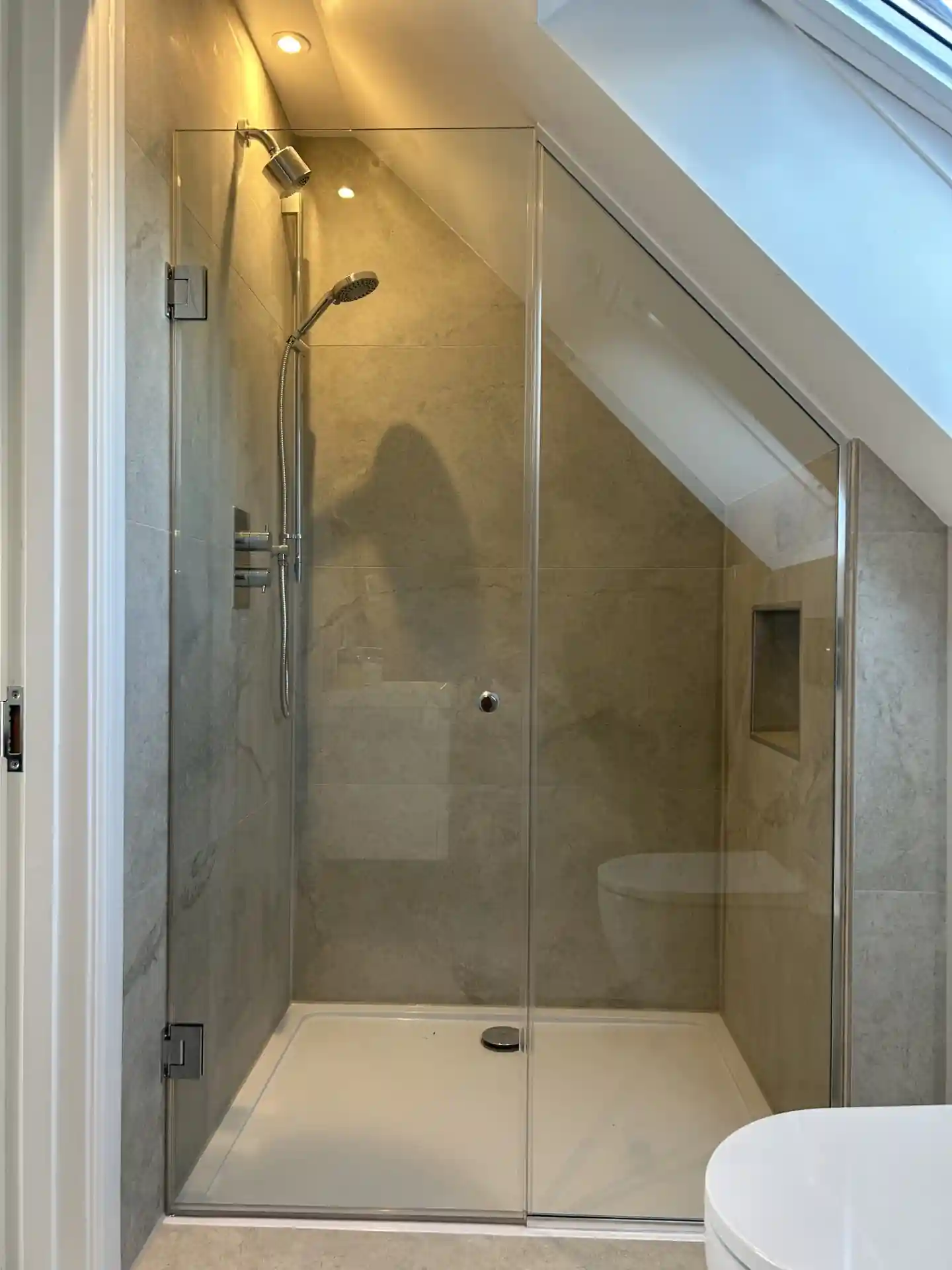

Modern UK bathrooms have changed from purely practical rooms into calm, well-designed spaces that need to look good and work hard every day. Shower screen design now plays a major role in both appearance and functionality, especially in British homes where space, light, and easy cleaning matter.
That is why Frameless vs Framed Shower Screens: What Every UK Homeowner Should Know is such an important comparison. Homeowners often weigh up style, maintenance, cost, durability, and long-term value before choosing between the two.
This guide explains how both options work, where each performs best, and what to consider before booking a shower screen installation. It will also help you understand when bespoke shower screens may offer better results than standard off-the-shelf products.
Why Shower Screen Choice Matters in Modern UK Bathrooms
A shower screen is not just a barrier that keeps water inside the shower area. It shapes how your bathroom feels, how easy it is to clean, and how well the room functions over time.
For many UK homeowners, the right screen can make a bathroom feel larger, brighter, and more refined. The wrong one can make even a newly renovated bathroom feel cramped or difficult to maintain.
The Growing Popularity of Contemporary Bathroom Design
Bathroom renovation trends in the UK have moved towards open layouts, walk-in showers, neutral tiles, and cleaner lines. Modern British bathrooms often use glass, stone-effect finishes, brushed metal fittings, and concealed storage to create a calm, practical space.
Frameless shower screens fit this trend well because they reduce visual clutter. With less metalwork around the glass, the eye travels through the room more easily.
Framed shower screens still have a place, especially where homeowners want a more traditional look, a lower upfront cost, or added structure around the glass.
How Shower Screens Affect Functionality and Appearance
Your shower screen affects more than style. It influences splash control, access, cleaning time, and the way natural or artificial light moves through the bathroom.
A clear glass panel can help a compact room feel open. A bulky frame may suit some bathrooms but can make smaller spaces feel more enclosed.
The key is to choose a screen that suits your layout, not just your preferred look. That is where expert measuring, glass selection, and installation make a real difference.
Frameless vs Framed Shower Screens: What Every UK Homeowner Should Know
The main difference is simple: frameless shower screens use thicker toughened glass with minimal fixings, while framed shower screens use a metal frame around the glass for support.
Frameless designs are often chosen for modern bathroom design because they look sleek and make the room feel more spacious. Framed options can be more budget-friendly and may suit traditional bathrooms or simple replacement projects.
When comparing the two, think about:
- The size and shape of your bathroom
- Your cleaning routine
- Your renovation budget
- The look you want to achieve
- Whether you need standard or made to measure shower screens
- The quality of glass, fittings, and installation
Frameless vs Framed Shower Screens: What Every UK Homeowner Should Know is not about declaring one option right for everyone. It is about matching the right screen to your home, layout, and long-term expectations.
What Is a Frameless Shower Screen?
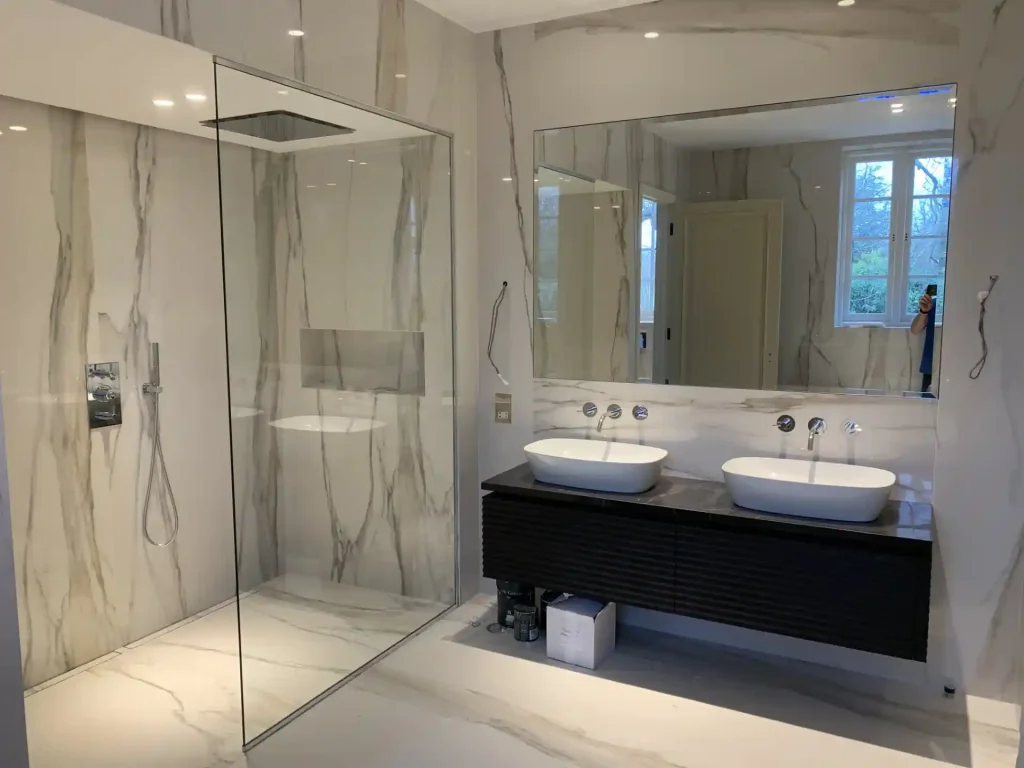
A frameless shower screen is made from strong safety glass with little or no visible frame around the edges. Instead of a full metal surround, it uses discreet hinges, brackets, channels, or support bars depending on the design.
These screens are commonly used in walk-in showers, wet rooms, alcove showers, and premium bathroom renovations across England.
Key Features
Frameless shower screens usually include:
- Thicker toughened safety glass
- Minimal metal fixings
- Clean, open sightlines
- Bespoke sizing options
- Compatibility with walk-in and enclosure layouts
- A modern, high-end finish
Many homeowners choose frameless shower screens when they want a more open and seamless bathroom feel.
Benefits of Frameless Designs
The biggest benefit is appearance. A frameless glass shower enclosure gives a bathroom a clean, uncluttered look that works well with porcelain tiles, natural stone, and modern brassware.
Frameless designs are also easier to clean in many cases. With fewer metal edges, seals, and overlapping parts, there are fewer places for soap residue and limescale to build up.
They can also improve the sense of space. This is useful in British homes where bathrooms are often smaller than homeowners would like.
Potential Considerations
Frameless shower screens often cost more than framed options because they use thicker glass and require careful installation. The walls, floor, and shower tray must be suitable, level, and properly prepared.
They also need accurate measuring. Even a small error can affect alignment, water control, and the finished look.
For this reason, many homeowners choose made-to-measure shower screens rather than trying to adapt a standard product to an awkward space.
What Is a Framed Shower Screen?
A framed shower screen has glass panels held within a metal frame. The frame may surround the full panel or form part of the door and enclosure structure.
Framed shower screens are common in many UK bathrooms because they are widely available, practical, and usually more affordable than frameless alternatives.
Key Features
Typical framed shower screens include:
- A full or partial metal frame
- Standard glass thicknesses
- Strong edge support
- Hinged, sliding, or pivot door options
- Good splash protection
- A wide range of budget choices
The frame helps support the glass, which means the glass can often be thinner than frameless glass.
Benefits of Framed Designs
Framed shower screens can be a sensible option for cost-conscious renovations. They provide structure, are widely available, and can work well in rental properties, family bathrooms, or straightforward replacements.
They can also provide strong water containment because the frame and seals help close gaps around the shower area.
For some bathrooms, especially more traditional designs, the visible frame may suit the overall style.
Potential Drawbacks
The main drawback is visual weight. A frame can make the shower area look more boxed in, especially in small bathrooms.
Cleaning can also take longer. Metal channels, rubber seals, and joints can collect limescale, soap residue, and moisture. In hard water areas across England, this can become noticeable without regular care.
Over time, seals may discolour and frames may show wear, especially if the screen is lower quality or poorly fitted.
Comparing Frameless and Framed Shower Screens
Frameless vs Framed Shower Screens: What Every UK Homeowner Should Know becomes clearer when you compare the practical details side by side. Style matters, but daily use matters just as much.
Appearance and Style
Frameless shower screens create a more open and premium look. They let tiles, brassware, and lighting remain visible, which helps the whole bathroom feel more considered.
Framed shower screens have a stronger outline. This can work in some designs, but it can also interrupt the flow of a modern bathroom.
For homeowners investing in a UK bathroom renovation, frameless glass often provides a more timeless finish.
Maintenance and Cleaning
Frameless screens are generally easier to wipe down because there are fewer grooves and seals. A simple glass cleaner or squeegee routine can keep them looking clear.
Framed screens need closer attention around the frame and seals. These areas can trap moisture, so regular cleaning helps prevent mould and limescale marks.
If you want a low-maintenance finish, high-quality glass shower screens with precise fitting are usually worth considering.
Durability and Longevity
Both options can last well when made from quality materials and installed correctly. The difference often comes down to the glass thickness, fittings, and workmanship.
Toughened glass shower screens are designed for safety and strength. If broken, toughened glass breaks into small pieces rather than sharp shards.
Frameless designs rely more heavily on the strength of the glass and fixings, so quality matters. Framed designs rely more on the structure of the frame, which means seals and metalwork may need more attention over time.
Installation Requirements
Frameless screens need accurate measuring and skilled installation. Walls may not be perfectly square in older British homes, so small adjustments can have a big impact.
Framed screens can be more forgiving because the frame may hide slight imperfections. However, poor installation can still lead to leaks, awkward door movement, or early wear.
Professional shower screen installation helps ensure the glass is secure, aligned, and suitable for everyday use.
Cost and Value
Framed shower screens are usually cheaper upfront. They can be a good choice when the budget is tight or the bathroom is being updated for practical reasons.
Frameless shower screens usually cost more because they use thicker glass, higher-quality fittings, and more detailed installation. However, they may offer better long-term value for homeowners who want a premium finish and easier cleaning.
Frameless vs Framed Shower Screens: What Every UK Homeowner Should Know is a value decision as much as a design decision. The lowest initial price is not always the best option if you plan to stay in the property for years.
Which Option Works Best for Different Bathroom Types?
The best shower screen depends on the room. Size, layout, users, and design goals all matter.
Small Bathrooms
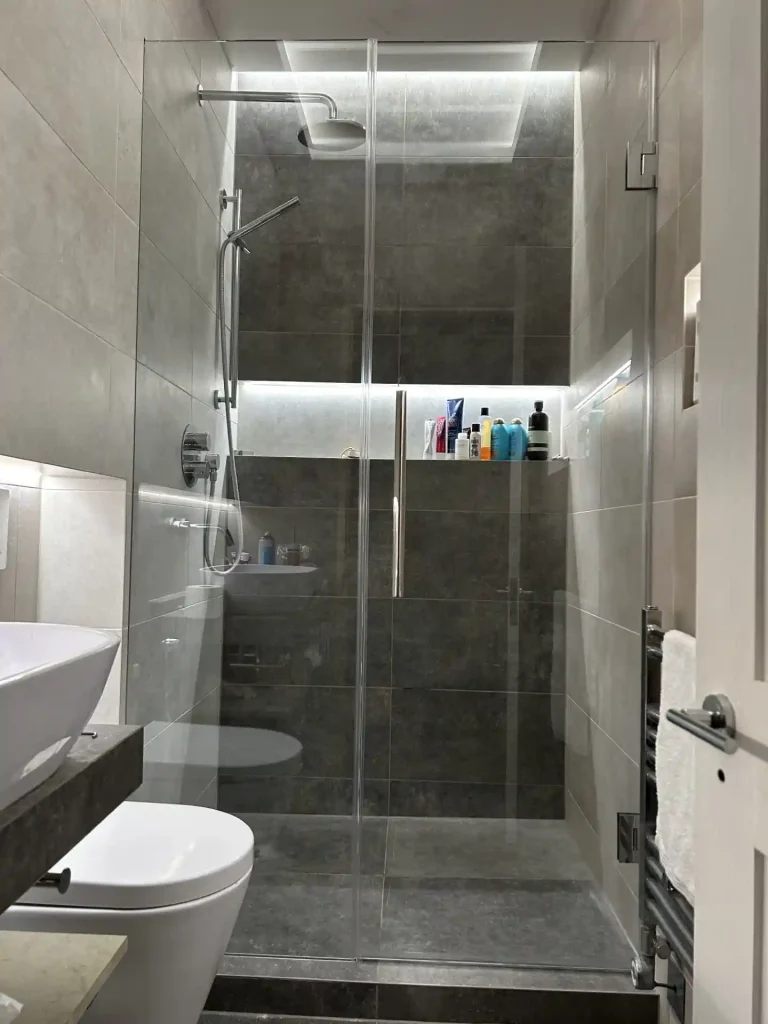
In small bathrooms, frameless shower screens often work well because they keep the space visually open. Clear glass allows light to pass through, which can make the room feel less cramped.
A fixed frameless panel for a walk-in shower can be a smart choice where the layout allows it. In tighter spaces, a hinged or folding solution may be better.
Framed screens can still work, but choose slimmer profiles where possible to avoid making the shower feel boxed in.
Family Bathrooms
Family bathrooms need to be practical, safe, and easy to clean. Framed shower screens can offer strong water containment, especially with active daily use.
That said, frameless toughened glass shower screens can also work very well in family homes when properly designed. They are strong, safe, and often quicker to wipe clean after use.
Frameless vs Framed Shower Screens: What Every UK Homeowner Should Know is especially relevant for families because the screen must balance style with heavy daily use.
Luxury Bathroom Renovations
For luxury bathroom renovations, frameless shower screens are often the preferred option. They create the clean, hotel-inspired look many UK homeowners want.
A bespoke frameless glass shower enclosure can be designed around niches, sloped ceilings, alcoves, or unusual layouts. This is particularly useful in period properties, loft conversions, and larger en suites.
For premium projects, bespoke shower screens can help achieve a more precise and polished result than standard products.
Why More UK Homeowners Are Choosing Frameless Shower Screens
Frameless designs have become more popular because they match how modern British bathrooms are now being designed. Homeowners want clean lines, more light, and fewer surfaces that trap dirt.
Minimalist Design Trends
Minimalist bathrooms are not cold or empty. They are well-planned spaces where every detail has a purpose.
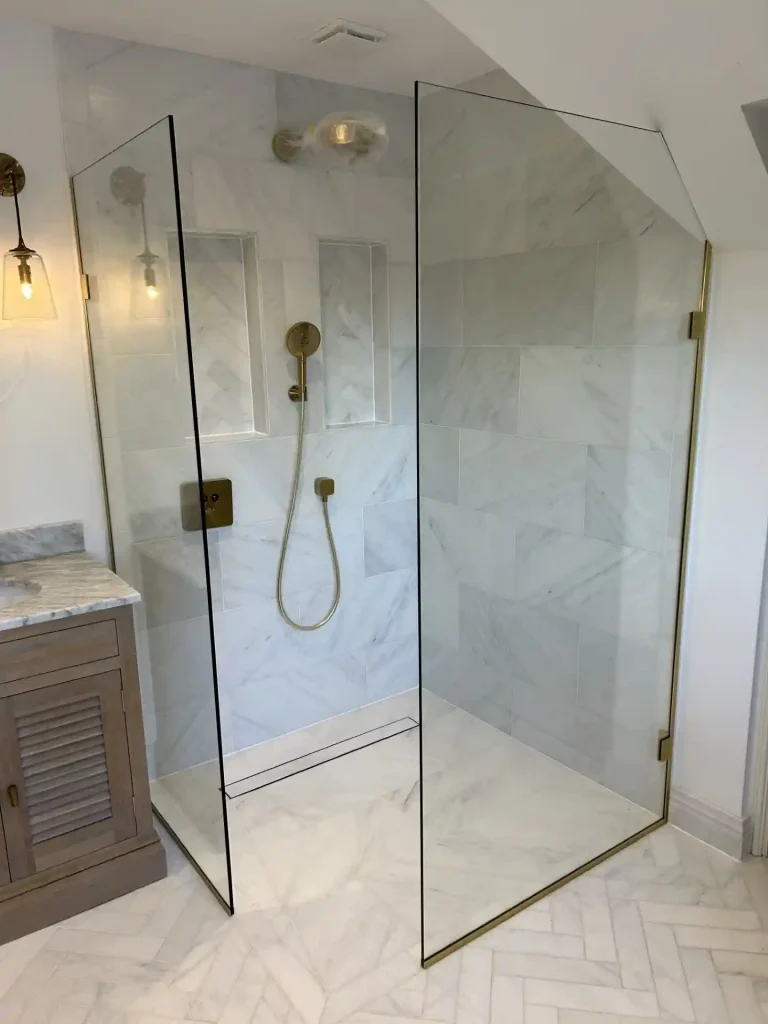
Frameless shower screens support this look by reducing visual barriers. They work well with large-format tiles, wall-hung vanity units, concealed valves, and brushed brass or matt black fittings.
For homeowners who want the bathroom to feel calm and spacious, frameless glass is often the natural choice.
Easy Maintenance Benefits
Many homeowners choose frameless glass because it simplifies cleaning. With fewer channels and seals, daily upkeep becomes quicker.
A squeegee after each shower can prevent water spots and limescale. This is especially helpful in hard water areas across England.
Frameless vs Framed Shower Screens: What Every UK Homeowner Should Know often comes down to how much maintenance you are willing to do over the years.
Property Value Considerations
A well-designed bathroom can support property appeal. Buyers often notice bathrooms that feel bright, clean, and well finished.
Frameless shower screens can make a bathroom feel more modern and higher quality. While they are only one part of the room, they contribute to the overall impression.
For homeowners improving a property before sale, or upgrading a long-term home, the finish of the shower area should not be treated as an afterthought.
Why Choose IM Glass for Bespoke Shower Screens?
IM Glass specialises in bathroom glass screens and custom glass solutions for homes across England. The focus is on practical design, accurate measuring, quality materials, and careful installation.
Rather than pushing one option for every bathroom, the right approach is to assess the space and recommend a screen that suits the layout, budget, and style.
Made-to-Measure Solutions
Standard shower screens can work in simple spaces, but many British homes have uneven walls, unusual alcoves, sloped ceilings, or non-standard layouts.
Made-to-measure solutions help solve these problems. The glass is designed around the bathroom, rather than forcing the bathroom to fit a standard screen.
This creates better alignment, cleaner edges, improved water control, and a more refined finish. Explore IM Glass’s custom shower enclosures to see how a tailored approach can support different bathroom layouts.
Premium Toughened Glass
Quality glass is essential for safety and durability. Toughened glass shower screens are heat-treated to make them stronger and safer for bathroom use.
Premium glass also improves the final look. Clear, well-finished edges and high-quality fittings can make a major difference to how the screen performs and ages.
A good shower screen should feel solid, open smoothly, and stay secure through daily use.
Professional Installation
Even the best glass can underperform if it is poorly installed. Accurate fitting helps prevent leaks, movement, and alignment issues.
Professional installation also protects the look of the finished bathroom. Fixings should be secure, neat, and positioned with care.
When you choose expert bathroom glass solutions, you get guidance on glass thickness, fixings, door swing, splash control, and long-term maintenance.
Frequently Asked Questions
Are frameless shower screens better than framed shower screens?
Frameless shower screens are often better for homeowners who want a modern, open, and easy-to-clean bathroom. They provide a premium finish and are especially popular in walk-in showers, en suites, and luxury renovations.
Framed shower screens can still be a good option when budget, strong water containment, or a more traditional look matters most. The best choice depends on your bathroom layout, daily use, and design goals.
Frameless vs Framed Shower Screens: What Every UK Homeowner Should Know is not about one being better in every case. It is about choosing the right screen for your home.
Are frameless shower screens safe?
Yes, when they are made from toughened safety glass and installed correctly. Toughened glass is designed to be much stronger than standard glass and safer if breakage occurs.
The key is to use the correct glass thickness and suitable fittings. A professional installer will assess the walls, floor, shower tray, and layout before fitting the screen.
Do framed shower screens last as long as frameless ones?
A good framed screen can last for many years, especially if it is cleaned and maintained well. However, frames, seals, and channels may show wear over time.
Frameless screens have fewer parts that can trap moisture or discolour. This can make them easier to keep looking fresh, provided the glass and fittings are high quality.
Which shower screen is best for a small bathroom?
Frameless shower screens are often ideal for small bathrooms because they help the space feel open and bright. Clear glass reduces visual barriers and can make compact rooms feel larger.
However, the best option depends on the layout. A pivot, hinged, sliding, or fixed panel may be recommended based on door clearance and splash direction.
How much do shower screens cost in the UK?
Costs vary depending on size, glass thickness, fittings, design, and whether the screen is standard or bespoke. Framed screens are usually cheaper upfront, while frameless and made to measure shower screens cost more because they require thicker glass and more precise installation.
For an accurate price, it is best to request a quote based on your exact bathroom layout and design preferences.
Final Thoughts
Framed shower screens are practical, affordable, and suitable for many everyday bathrooms. Frameless shower screens offer a cleaner, more open, and more premium finish, especially for modern bathroom design and long-term home improvements.
The right choice depends on your space, budget, cleaning preferences, and the look you want to achieve. For small bathrooms, frameless glass can make the room feel bigger. For family bathrooms, both options can work when fitted well. For luxury renovations, bespoke frameless glass often delivers the strongest result.
Frameless vs Framed Shower Screens: What Every UK Homeowner Should Know comes down to making a choice that supports both daily use and long-term value.
To explore the best option for your bathroom, visit IM Glass’s bespoke shower screens page. Request a quote or speak with an expert about your layout, glass options, and design goals.