Frequently Asked Questions About Glazing in Harefield
Here are the questions Harefield customers ask us most often about glazing repairs, replacement and our service across UB9.
How Quickly Can IM.GLASS Respond to a Glazing Problem in Harefield?
IM.GLASS is based on Northwood Road in Harefield, so we are usually able to reach jobs across UB9 within 60 to 90 minutes of your call, and often sooner for emergencies such as broken windows or forced doors. Being local to Harefield Village, South Harefield, Moorhall and the Harefield Hospital area means we are not travelling in from outside the borough like many national glazing firms, so we can turn around emergency glass boarding and urgent repairs the same day in most cases. For work that is not urgent, such as a kitchen splashback measurement or a sash window survey, we will agree a convenient appointment time with you over the phone. Whatever the job, we confirm arrival details before setting off so you know exactly when to expect us. Same day response is available for genuine emergencies, seven days a week between 8am and 6pm.
Which Areas of Harefield and UB9 Do You Cover?
We cover the whole of Harefield including Harefield Village around Church Hill, South Harefield, the Harefield Hospital area, Moorhall and the border with Denham Green and Rickmansworth. Because our own premises are on Northwood Road, Harefield is effectively our home patch and we know the local housing stock well, from the weatherboarded cottages near St Mary's Church to the newer housing built up around the hospital since the 1960s and the post-war semis toward Moorhall Road and the Colne Valley. We also regularly work across the wider IM.GLASS coverage area, including Rickmansworth, Denham, Ruislip, Uxbridge, Northwood and Chalfont St Giles, so if you live just outside Harefield itself we can very likely still help. If you are unsure whether your address falls within our coverage, call us on 07734 951124 and we will confirm straight away.
How Does the Quote Process Work for Harefield Jobs?
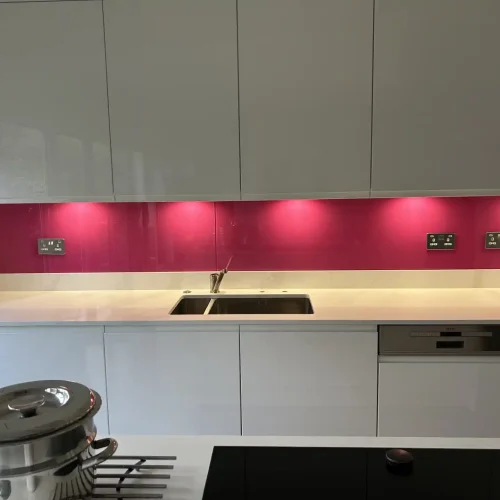
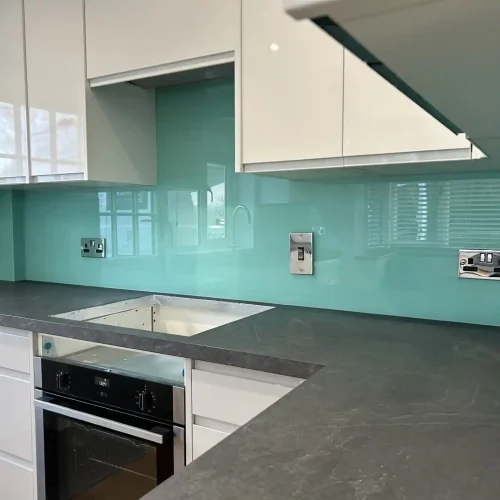
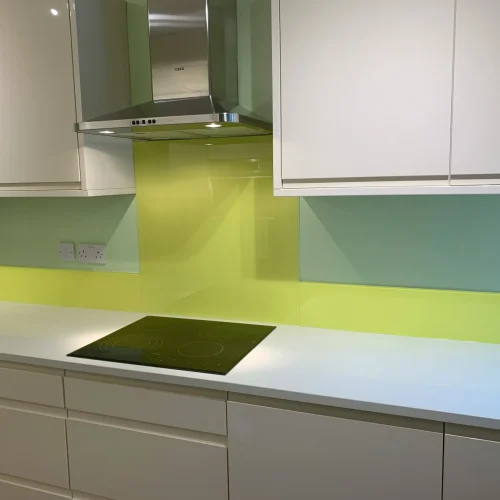
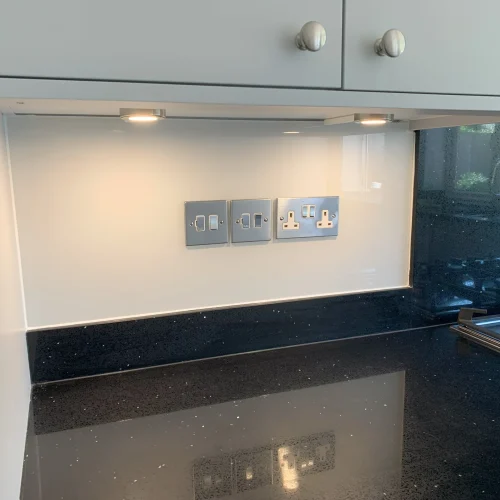
Every job starts with a conversation about what has gone wrong or what you would like installed, either over the phone or by email. Where needed, we arrange a visit to assess the glass, frame or door in person before confirming exactly what work is required. All pricing is provided on request following an assessment of the work required, so you will always know the full scope of the job before anything is agreed, and there are no hidden extras added once work begins. For straightforward jobs such as a single misted unit, we can sometimes give a firm indication after a phone description alone, but for anything involving measurement, such as a splashback or a bespoke mirror, an in-person assessment ensures the quote reflects the exact space. Contact us on 07734 951124 or by email for a quote.
What Happens When IM.GLASS Comes to Fix My Windows or Doors?
Once your quote is agreed, we book an engineer to attend at a time that suits you. On arrival, the engineer confirms the job details with you, carries out any final checks on frames, glass or fittings, and then completes the agreed work using the correct materials for your property, whether that is a repair that respects the original timber on a period cottage or a straightforward uPVC unit swap. Dust sheets and careful handling are standard for indoor work such as splashback fitting. Once finished, we clear away all packaging and offcuts before leaving. You will receive written confirmation of the work carried out along with any relevant care or maintenance advice, for example how to ventilate a room after a misted unit replacement to reduce the chance of future condensation. Our 10 year warranty on installations covers you if anything needs revisiting.
Why Do So Many Harefield Homes Suffer From Misted or Draughty Windows?
Harefield has a genuinely mixed housing stock, and that mix is exactly why glazing problems vary so much across the village. The older weatherboarded and brick cottages around Church Hill and St Mary's Church often still have original timber frames that were never designed for modern double glazing, so draughts and rot are common if they have not been properly maintained. Newer housing built up around Harefield Hospital from the 1960s onward typically has ageing double glazing units reaching the end of their sealed life, which shows up as misting between the panes. Post-war semis toward Moorhall Road and the wider Colne Valley are exposed to higher humidity from the nearby waterways, which accelerates frame and seal deterioration. Because the housing ages differ so much street by street, we assess each property individually rather than assuming one fix suits every Harefield home.
Which Parts of Harefield See the Most Glazing Problems?
In our experience, the cottages around Church Hill and the historic village core see the most timber frame and putty problems, simply because many of these properties predate modern glazing standards and need careful, sympathetic repair rather than off the shelf replacement. Around Moorhall and toward the Colne Valley, damp exposure from nearby waterways is the bigger issue, showing up as swollen timber and failed seals on both older and newer units. Properties nearer Harefield Hospital, built from the 1960s onward, tend to suffer more from misted double glazing units simply reaching the end of their working life after several decades of use. South Harefield sees a fairly even mix of both issues. Wherever you are in UB9, the underlying cause usually comes down to the age and type of glazing originally fitted to that property.
When Do I Need a Glazing Inspection Rather Than a Repair?
A full inspection is worth arranging rather than a straightforward repair when you are not certain what is causing the problem, when more than one window or door in the property is affected, or when you are buying or letting a Harefield property and need a clear picture of its glazing condition before committing. It is also sensible before major works such as replacing multiple sash windows in a Church Hill cottage or fitting acoustic glazing, since the right specification depends on the frame material, age and exposure of each opening. During an inspection, we check seals, frames, hinges and locking mechanisms, and explain what we find in plain terms along with the options available. There is no obligation to proceed after an inspection, and any recommended work is quoted separately once you have had time to consider it.
Who Is Responsible for Fixing Broken Glass, Me or My Landlord?
Responsibility for glazing repairs depends on your situation. If you own your home outright, the responsibility and the choice of glazier is entirely yours. If you rent, your landlord is generally responsible for keeping windows and external doors in good repair and weathertight, though you should report any damage promptly and check your tenancy agreement for specifics. For leasehold flats, responsibility can sit with either the leaseholder or the freeholder depending on whether the window is classed as part of the structure, so it is worth checking your lease. If a neighbour's action, such as a falling branch or an accidental impact, damaged your glass, that may be a matter for insurance or direct discussion between the parties rather than IM.GLASS to determine. We are happy to provide a written assessment that any party can use to support an insurance claim or a landlord discussion.
Why Does My Window Keep Misting Up Even After a Repair?
Misting between the panes of a sealed double glazed unit happens when the seal around the edge of the glass fails and lets moisture in, and once that seal has gone the misting will keep returning no matter how often the glass is wiped or the room is ventilated, because the problem sits inside the unit itself rather than on the surface. Draughts, on the other hand, usually point to a perished rubber seal around the frame, a warped timber sash, or hardware such as hinges and handles that has worn loose over time. In both cases, a genuine repair means replacing the failed sealed unit or the worn seal and hardware, not just cleaning the glass. If misting or draughts return shortly after a previous repair elsewhere, it often means the wrong part was replaced, and we are happy to inspect and diagnose the actual cause.
Can You Replace a Misted Unit Without Removing the Whole Frame?
Yes, in most cases we can replace a failed sealed unit without removing the surrounding frame at all, whether that frame is uPVC or original timber. The old double glazed unit is carefully removed from inside the frame, a new sealed unit is measured and fitted in its place, and the frame itself, along with its paintwork or finish, is left undisturbed. This is particularly useful on period properties around Church Hill where the timber frame is original and does not need replacing, only the glass within it. It also keeps disruption to a minimum in occupied homes, since there is no need to remove external cladding, render or brickwork around the opening. The job is usually completed within a single visit, and we clear away all old glass and packaging before we leave, so the room is left clean and ready to use.