
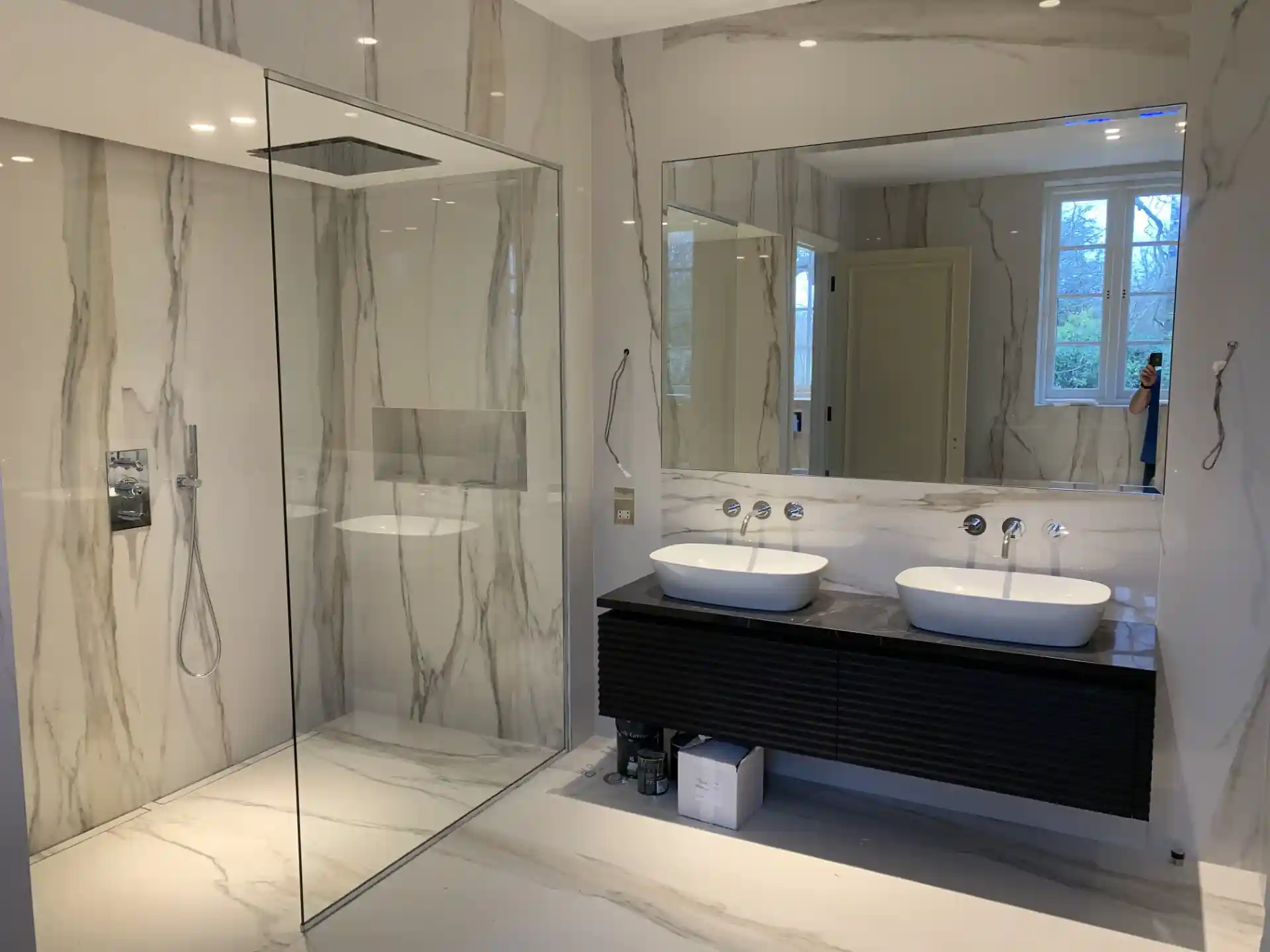

A clean shower screen can make your whole bathroom feel brighter, fresher, and better cared for. But in many England homes, keeping shower glass clear is not always simple. Hard water, soap residue, poor ventilation, and daily use can leave marks that build up quickly.
The good news is that shower screen cleaning does not need to be difficult. With the right routine, safe products, and a few smart bathroom glass care tips, you can keep your screen looking clear for years.
This shower enclosure cleaning guide explains how to clean shower glass properly, how to prevent limescale, and why good-quality screens are easier to maintain. If you are planning a new bathroom or replacing an old enclosure, IM Glass offers expert glass shower screens designed for modern homes across England.
Why Shower Screens Need Regular Cleaning in UK Bathrooms
Shower screens are exposed to water, steam, shampoo, soap, and body oils every day. Over time, these leave a film on the glass. If you do not clean it often, the surface can look cloudy, dull, or stained.
Regular cleaning is not just about appearance. It also supports better bathroom hygiene. Damp bathrooms can encourage mould and mildew, especially around seals, hinges, and corners. A clean screen helps reduce build-up and keeps the shower area more pleasant to use.
In many UK homes, bathrooms are compact. Steam can linger, and windows are not always opened after every shower. This makes glass shower screen maintenance even more important.
Hard Water and Limescale Build-Up in England Homes
Many areas of England have hard water. This is especially common in places such as London, the South East, East Anglia, and parts of the Midlands. Hard water contains minerals, mainly calcium and magnesium.
When water droplets dry on your shower screen, these minerals stay behind. They form white, chalky marks known as limescale. At first, limescale may look like light spotting. If ignored, it can become harder to remove and may make the glass look permanently cloudy.
Limescale removal UK bathrooms often requires regular attention because the build-up returns quickly in hard water areas. A simple daily wipe-down can make a big difference.
Soap Scum and Daily Use Issues
Soap scum forms when soap mixes with minerals in water. It leaves a grey, sticky film on shower glass, tiles, and fittings. Shower gels, shampoos, conditioners, and shaving products can all add to the problem.
Daily use also causes fingerprints, water streaks, and residue near handles or edges. These marks are normal, but they become more difficult to clean if they are left for too long.
Regular care protects the look of your shower screen and makes each clean quicker.
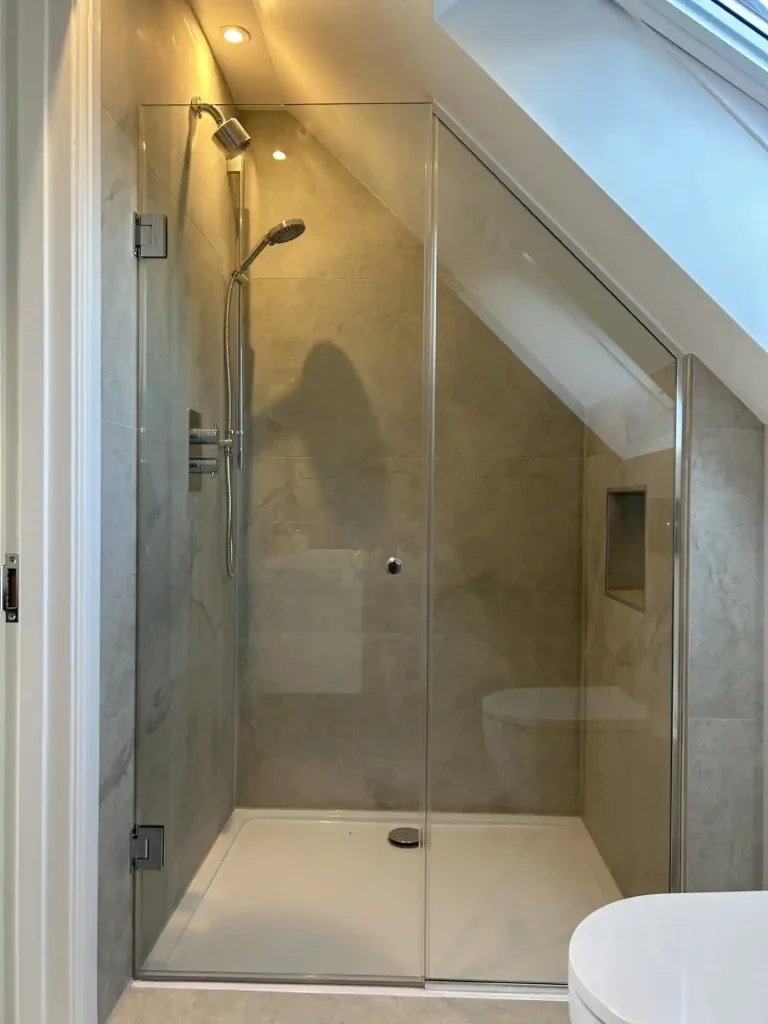
How to Keep Your Shower Screen Spotless: Expert Cleaning & Maintenance Guide
The best way to keep your shower screen spotless is to use small, regular habits rather than waiting until the glass looks dirty.
A good routine includes:
- Wiping the glass after showers
- Using a mild cleaner once or twice a week
- Drying seals and edges where water collects
- Keeping the bathroom well ventilated
- Treating limescale before it hardens
- Avoiding abrasive pads and harsh chemicals
This approach is simple, affordable, and effective for most homes. It also helps protect the long-term clarity of the glass.
If you have a newer screen, especially a frameless or minimal design, consistent cleaning helps preserve its clean lines. If your current screen is old, stained, or difficult to clean, it may be worth looking at modern bespoke shower screens that suit your bathroom layout and are easier to maintain.
Daily and Weekly Cleaning Routine for Shower Screens
A steady routine is the secret to easier shower screen maintenance UK homeowners can actually stick to. You do not need to deep clean every day. Small daily steps reduce the need for heavy scrubbing later.
Quick Daily Wipe-Down Method
After the last shower of the day, take one minute to remove water from the glass.
Use this simple method:
- Run a squeegee from top to bottom across the glass.
- Wipe the edges and corners with a dry microfibre cloth.
- Leave the shower door or screen slightly open if possible.
- Switch on the extractor fan or open a window.
This stops water droplets from drying on the screen. It also helps reduce limescale, soap scum, and streaks.
If you live in a hard water area, this step is especially useful. It is one of the easiest bathroom hygiene tips UK homeowners can follow because it prevents grime before it starts.
Weekly Deep Cleaning Process
Once a week, give your shower screen a more thorough clean.
Here is a safe weekly process:
- Rinse the glass with warm water.
- Spray with a suitable glass cleaner or mild natural solution.
- Leave it for a few minutes to loosen residue.
- Wipe with a soft sponge or microfibre cloth.
- Rinse well with clean water.
- Dry with a clean cloth or squeegee.
Pay close attention to hinges, seals, handles, and the bottom edge of the screen. These areas often collect water and soap residue.
For stubborn spots, repeat the process rather than scrubbing hard. Gentle cleaning is better for the glass and fittings.
Best Cleaning Methods for Glass Shower Screens
There are several safe ways to clean shower glass. The right method depends on the level of staining, the type of screen, and whether your bathroom has hard water.
Vinegar and Natural Cleaning Solutions
White vinegar is a popular option for light limescale and water marks. It can help break down mineral deposits on glass.
Mix equal parts white vinegar and warm water in a spray bottle. Spray the solution onto the glass, leave it for five to ten minutes, then wipe with a soft cloth. Rinse well and dry the surface.
For a fresher scent, you can add a small amount of lemon juice. However, avoid using acidic cleaners on natural stone, marble, or sensitive bathroom surfaces nearby.
Never mix vinegar with bleach or other strong chemicals. This can create harmful fumes.
For many homes, vinegar is useful for routine cleaning. But if limescale has been left for months, you may need a dedicated bathroom limescale remover.
Commercial Glass Cleaners (UK Safe Options)
Commercial bathroom glass cleaners can work well if they are suitable for shower screens. Look for products designed to remove soap scum and limescale without scratching the surface.
Choose a cleaner that is:
- Safe for glass
- Suitable for bathroom use
- Non-abrasive
- Easy to rinse away
- Compatible with metal fittings and seals
Always follow the product instructions. Test a small area first if you are unsure.
Avoid using oven cleaners, drain cleaners, neat bleach, or strong acidic products not intended for shower glass. These may damage seals, coatings, handles, or nearby surfaces.
Tools That Make Cleaning Easier
The right tools make a big difference. You do not need anything expensive.
Useful cleaning tools include:
- A good-quality squeegee
- Microfibre cloths
- A soft non-scratch sponge
- A spray bottle
- An old soft toothbrush for corners
- A dry cloth for polishing
A squeegee is the most important tool for daily care. Keep it in the shower so it is easy to use.
Microfibre cloths are also ideal because they lift dirt without scratching. They leave fewer fibres behind than paper towels and help polish the glass to a clear finish.
Common Mistakes That Damage Shower Screens
Many shower screen problems come from cleaning methods that are too harsh. Glass is strong, but it still needs proper care.
Using Abrasive Sponges
Abrasive pads, wire wool, and rough scouring sponges can scratch shower glass. These scratches may be small at first, but they can trap dirt and make the screen look dull.
Once glass is scratched, cleaning becomes harder. The surface no longer feels as smooth, and water marks may cling more easily.
Use soft cloths and non-scratch sponges instead. If a mark will not come off, soak it and clean it again gently.
Ignoring Water Stains Too Long
Water stains are much easier to remove when they are fresh. If limescale is left for weeks or months, it can harden. This makes cleaning slower and may leave the glass looking hazy.
Hard water marks around the lower part of the screen are common because water runs down and gathers there. Make sure this area is dried often.
A quick wipe after each shower is much easier than a long clean later.
Harsh Chemical Usage
Strong chemicals may seem like a quick fix, but they can cause problems. They may damage rubber seals, metal hinges, protective coatings, or bathroom finishes.
Harsh fumes can also make bathroom cleaning unpleasant and unsafe, especially in small rooms with poor ventilation.
Stick to mild, glass-safe products. If your screen has a special coating, follow the care advice from the installer or manufacturer.
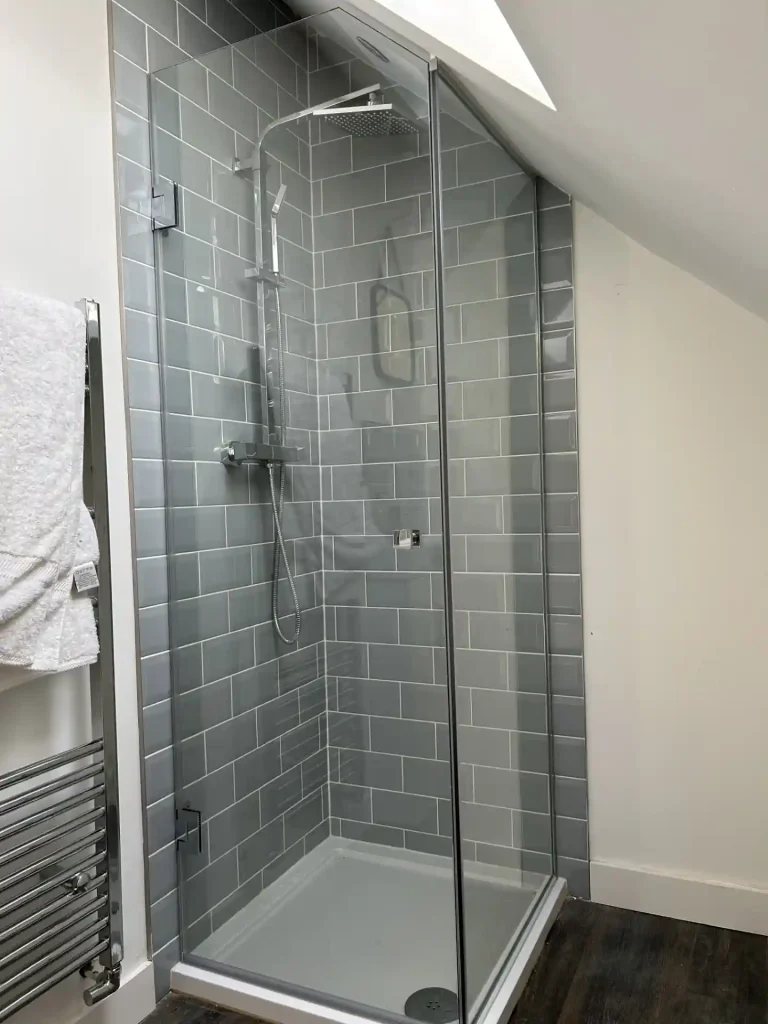
How to Prevent Limescale Build-Up on Shower Glass
Prevention is always easier than removal. If you reduce the amount of water left on the glass, you reduce the chance of limescale forming.
Water Repellent Coatings
Water repellent coatings help water bead and run off the surface more easily. This can reduce spotting and make cleaning faster.
These coatings do not mean the screen never needs cleaning. You will still need to wipe and wash it. But they can make everyday maintenance much simpler.
If you are choosing a new shower screen, ask about glass options and aftercare. Quality coatings and good installation can support long-term glass shower screen maintenance.
Proper Bathroom Ventilation
Ventilation plays a major role in keeping your bathroom clean and healthy. Steam and moisture encourage mould, mildew, and residue build-up.
To improve ventilation:
- Use the extractor fan during and after showers
- Open a window when possible
- Leave the shower area open to dry
- Avoid leaving wet towels piled in the bathroom
- Wipe standing water from trays and edges
Good airflow helps the whole bathroom dry faster. This supports hygiene and keeps the shower screen clearer.
Why Quality Shower Screens Are Easier to Maintain
Not all shower screens are the same. The quality of the glass, fittings, design, and installation can affect how easy the screen is to clean.
A well-designed screen has fewer dirt traps, better alignment, and stronger materials. This means less build-up and fewer maintenance issues over time.
Toughened Glass Advantages
Toughened safety glass is widely used for shower screens because it is strong, durable, and designed for bathroom use. When people search for toughened glass shower screens UK, they are often looking for a safer and longer-lasting option than basic or older screens.
Toughened glass offers several benefits:
- Strong resistance to daily use
- Better safety performance
- A smooth surface that is easier to clean
- A modern, high-quality appearance
- Long-term value for busy homes
Quality glass also feels more stable and secure. This matters in family bathrooms, en-suites, and rental properties.
For best results, professional shower screen installation helps ensure the screen fits properly and performs as it should.
Frameless Design Benefits
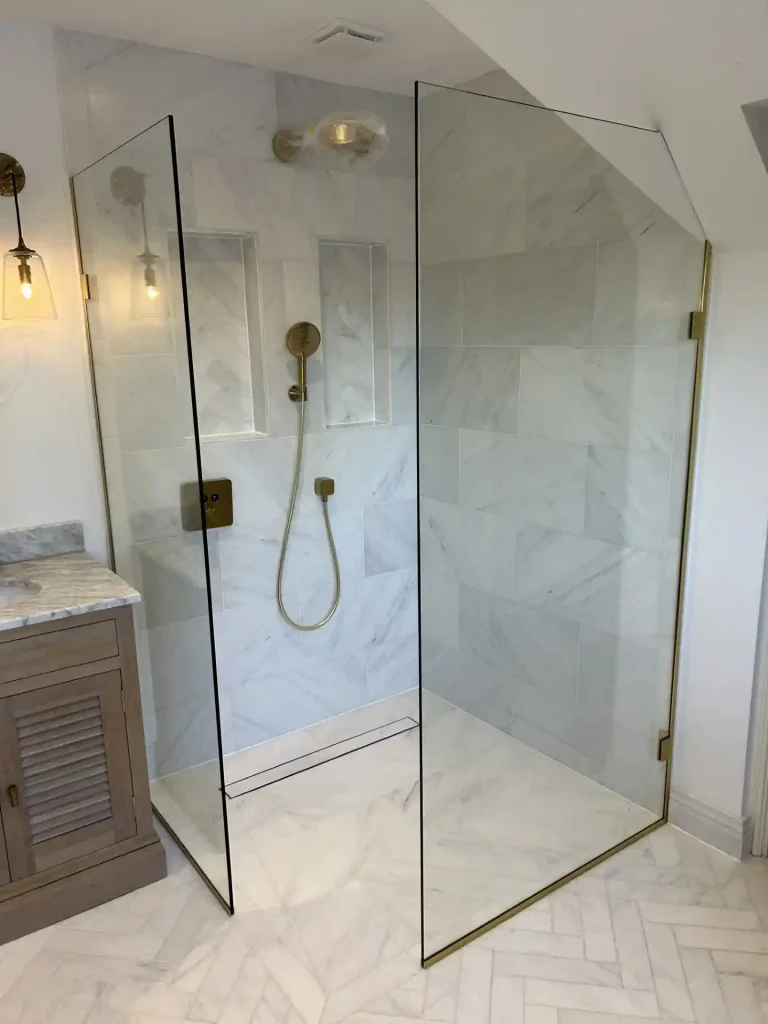
Frameless shower screens are popular because they look clean and modern. They also have fewer frames and channels where grime can collect.
This makes cleaning easier, especially around edges. With fewer bulky parts, there are fewer places for soap scum and limescale to hide.
A frameless design can also make smaller bathrooms feel more open. Clear glass allows light to flow through the space, creating a brighter and more spacious feel.
If you want a sleek finish that is practical for daily life, explore frameless shower screens UK options for a tailored bathroom upgrade.
Why Homeowners Choose IM Glass
Homeowners across England want bathroom glass that looks good, lasts well, and is easy to care for. That is where expert design and installation make a real difference.
IM Glass works with homeowners who want reliable bathroom glass solutions, from stylish shower screens to made-to-measure panels. The focus is on quality, fit, and long-term performance.
High-Quality Glass Shower Screens
A high-quality shower screen starts with the right glass. It should feel solid, look clear, and be suitable for daily bathroom use.
IM Glass helps homeowners choose screens that match their space, style, and maintenance needs. Whether you want a simple bath screen, a walk-in panel, or a full shower enclosure, the right glass can improve both appearance and practicality.
Expert advice is especially helpful if your bathroom has awkward angles, limited space, or a non-standard layout.
Low-Maintenance Modern Designs
Modern shower screens are designed with easier cleaning in mind. Clean lines, minimal framing, and precise fitting all help reduce areas where grime can build up.
Low-maintenance design does not remove the need for cleaning, but it does make the job much quicker. For busy homes, this is a major benefit.
A made-to-measure screen can also reduce gaps and poor joins. This helps water stay where it should and makes the bathroom easier to manage day to day.
Professional Installation Across the UK
Correct installation is key to long-term performance. A poorly fitted screen may leak, move, or collect water in unwanted areas. Over time, this can cause frustration and extra cleaning.
Professional fitting helps ensure the glass is secure, aligned, and sealed correctly. It also gives your bathroom a neater finish.
For homeowners who want a clean, modern, and durable result, expertly fitted bespoke shower screens can make daily maintenance simpler and more reliable.
Frequently Asked Questions
1. How often should I clean my shower screen?
You should wipe your shower screen after each use if possible. This only takes a minute and helps prevent water marks and limescale. For most homes, a full clean once a week is enough.
If you live in a hard water area, you may need to clean more often. Regular wiping is the best way to stop mineral deposits from becoming stubborn.
2. What is the best way to remove limescale from shower glass?
For light limescale, use a mix of white vinegar and warm water. Spray it onto the glass, leave it for a few minutes, then wipe with a soft cloth. Rinse well and dry the screen.
For heavy limescale, use a bathroom cleaner made for limescale removal. Make sure it is safe for glass and bathroom fittings. Avoid abrasive tools, as they can scratch the surface.
3. Can I use bleach on my shower screen?
Bleach is not usually the best choice for shower glass. It may help with mould on some surfaces, but it does not remove limescale well. It can also damage seals or metal fittings if used too strongly or too often.
For shower screen cleaning, use mild glass-safe products, vinegar solutions, or specialist bathroom cleaners. Always keep the room well ventilated.
4. Why does my shower screen still look cloudy after cleaning?
Cloudiness is often caused by limescale, soap scum, or residue from cleaning products. If cleaner is not rinsed away properly, it can leave a film on the glass.
Try cleaning the screen again with warm water and a mild solution, then rinse thoroughly. Dry and polish with a microfibre cloth. If cloudiness remains, the build-up may need repeated gentle treatment.
A guide like How to Keep Your Shower Screen Spotless: Expert Cleaning & Maintenance Guide can help you build the right routine and avoid common cleaning mistakes.
5. Are frameless shower screens easier to clean than framed screens?
Yes, frameless shower screens are often easier to clean because they have fewer channels and edges where grime can gather. Their simple design makes wiping the glass quicker.
That said, they still need regular care. Use a squeegee after showers, clean weekly, and keep the bathroom well ventilated. This keeps the glass clearer for longer.
Final Thoughts
Keeping your shower screen spotless is all about regular, gentle care. Wipe the glass after showers, deep clean weekly, treat limescale early, and avoid abrasive sponges or harsh chemicals. Good ventilation also helps reduce moisture, mould, and water marks.
Quality matters too. Toughened glass, modern fittings, and frameless designs can make your screen easier to clean and more durable over time.
This How to Keep Your Shower Screen Spotless: Expert Cleaning & Maintenance Guide gives you the basics for better bathroom glass care, but the right shower screen can make maintenance even easier from the start.
If you are planning a bathroom upgrade, replacing an old screen, or looking for expert advice, visit IM Glass to explore made-to-measure bathroom glass panels. Get in touch today to request a quote and find the right shower screen solution for your home.