
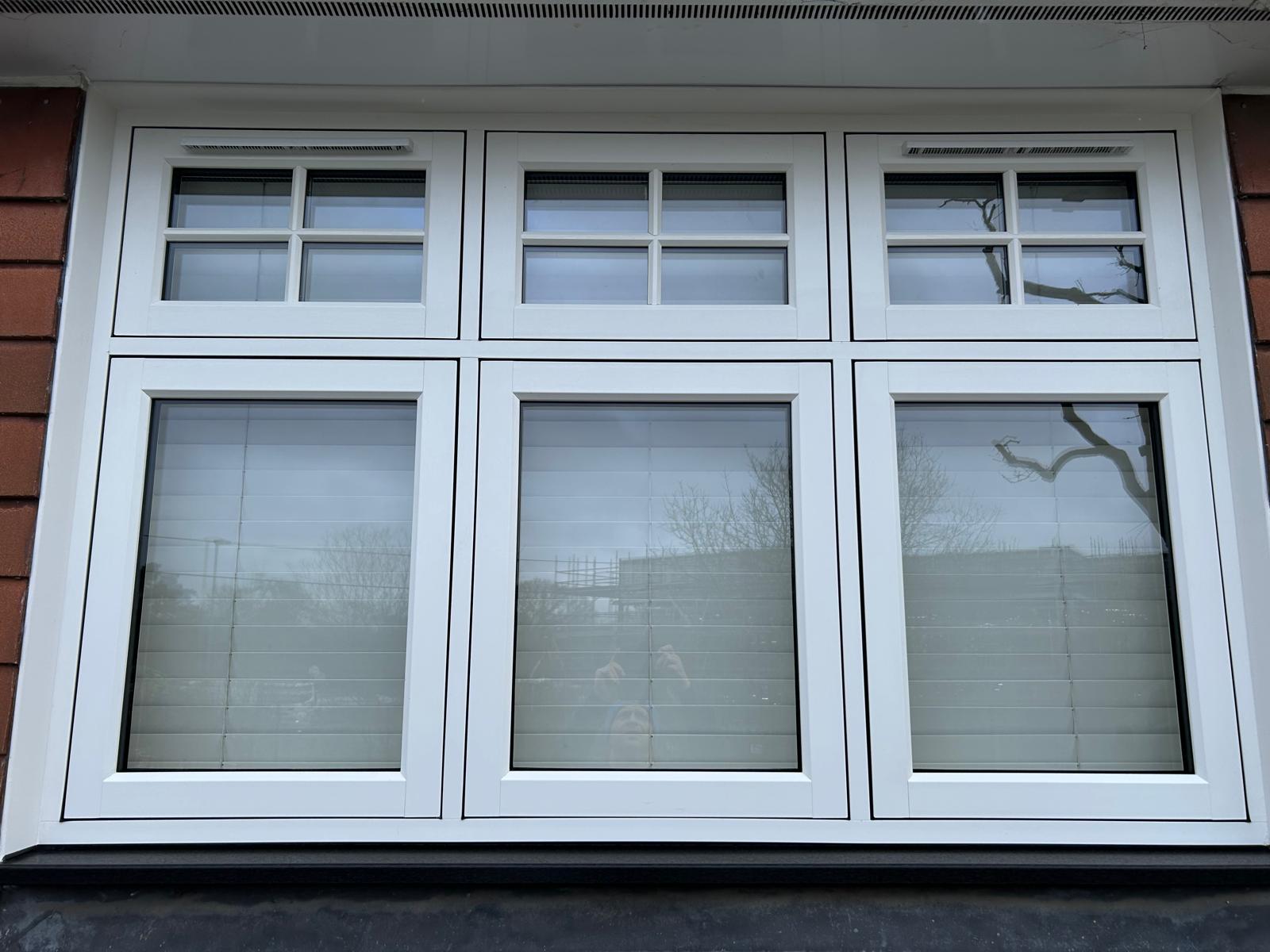

Traditional windows bring character and charm to many homes, particularly period properties where original timber frames and glazing are important architectural features. However, older windows can also develop draughts and allow heat to escape. Secondary glazing can provide a practical way to improve window performance while retaining the appearance of the existing windows. Im Glass can help homeowners explore glazing solutions suited to traditional and existing windows.
For homeowners considering Secondary Glazing Chalfont, the system can offer several benefits beyond improved thermal performance. Carefully designed secondary glazing can reduce draughts, improve sound insulation and allow original windows to remain in place. Historic England recommends secondary glazing as one option for improving the performance of older windows while retaining their historic character.
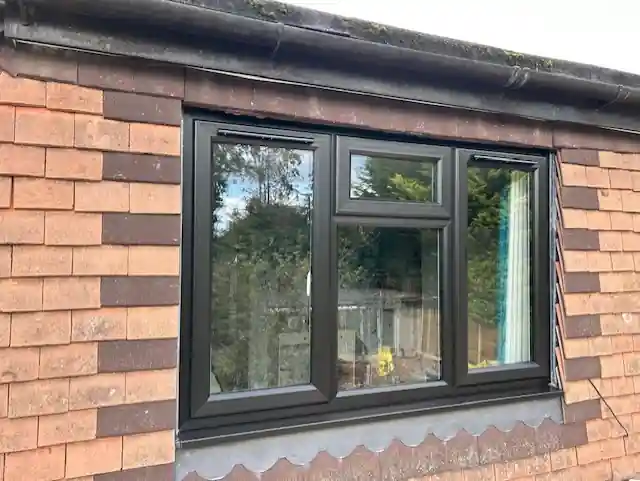
What Is Secondary Glazing?
Secondary glazing involves installing a separate glazed panel on the inside of an existing window. Unlike replacement double glazing, the original external window remains in position while the additional glazing creates a new layer between the interior and exterior.
The space between the original window and the secondary glazing helps reduce heat transfer and air movement. Depending on the design, secondary glazing can use different frame and glass configurations to suit the property’s requirements.
This approach can be particularly useful for older timber windows where replacing the original frames would affect the appearance or architectural character of the building.
Why Consider Secondary Glazing?
There are several reasons homeowners may consider secondary glazing for their properties.
Improved Energy Efficiency
Heat loss through windows can contribute to uncomfortable rooms and increased heating requirements. Older windows may also have gaps caused by movement, ageing materials or weakened joints.
Secondary glazing can reduce heat loss and draughts by adding another layer between the internal space and outside environment. Historic England reports that carefully designed secondary glazing can reduce heat losses through a window by more than 60% in some configurations, particularly when Low-E glass is used.
The actual improvement will depend on the existing window, glass type, frame construction, installation quality and overall condition of the building.
Reduced Outside Noise
Noise reduction is another important advantage. The additional glazing layer creates greater separation between the indoor environment and outside conditions.
This can be helpful for properties affected by road traffic, pedestrians, nearby activity or other external sounds. Historic England specifically identifies improved sound insulation as one of the benefits of carefully installed secondary glazing.
The level of noise reduction will depend on factors such as the glass specification, the distance between glazing layers, the window construction and how effectively air gaps are sealed.
Retaining Original Windows
One of the major attractions of secondary glazing is that it can allow homeowners to retain existing windows.
This can be especially valuable in period homes and buildings where original timber windows contribute to the property’s appearance. Historic England recommends retaining and repairing historic windows where possible and identifies secondary glazing as an option for improving their performance.
Rather than removing the original window, the additional glazing is fitted internally.
A Less Visually Disruptive Solution
Traditional windows can have distinctive glazing bars, slim timber sections and other details that are difficult to replicate accurately with modern replacement systems.
When carefully designed, secondary glazing can remain relatively discreet from outside because the original external window stays unchanged. This makes it an option worth considering when maintaining the external appearance of a property is important.
Secondary Glazing for Period Properties
Older buildings often require a different approach to modern homes. Original windows may have historic glass, traditional timber frames or architectural details that should be preserved.
Replacing such windows solely to improve energy efficiency may not always be necessary. Historic England advises taking a whole-building approach and considering the condition, significance and construction of the property before deciding on energy-efficiency measures.
Secondary glazing can therefore be particularly useful when homeowners want to improve comfort without substantially altering their original windows.
It can also be reversible in many situations, making it an attractive option for properties where future restoration or changes may need to be considered.
How Is Secondary Glazing Installed?
The installation process begins with an assessment of the existing window. Measurements are important because the secondary glazing needs to fit correctly within the available opening.
A professional may consider:
- The dimensions and shape of the existing window
- The condition of the timber or other frame material
- How the original window opens
- Available space between the original and secondary glazing
- The desired level of thermal improvement
- Noise-reduction requirements
- Ventilation and condensation considerations
- Access for cleaning and maintenance
Once the appropriate system has been selected, the secondary glazing frame and glass can be installed internally.
Careful installation is important because poorly designed systems can create practical issues, including condensation. Historic England advises that moisture and ventilation should be considered when secondary glazing is introduced, particularly in older buildings.
Can Secondary Glazing Reduce Draughts?
Yes. Secondary glazing can help reduce unwanted air movement around existing windows by creating an additional internal barrier.
However, draught-proofing should be approached carefully in traditional buildings. Historic England notes that ventilation remains important in older properties and warns that inappropriate sealing can contribute to condensation and mould problems.
For this reason, the condition of the original window and the wider ventilation of the room should be considered before installation.
Secondary Glazing vs Double Glazing
Secondary glazing and replacement double glazing work differently.
Double glazing normally involves replacing the existing glass or window with a sealed unit containing two panes. Secondary glazing instead adds a separate glazing system to the inside of an existing window.
For a modern property without significant original windows, replacement double glazing may be appropriate. However, secondary glazing can be particularly appealing for traditional properties because the original window remains intact.
In some situations, Historic England states that secondary glazing can achieve greater energy-efficiency improvements than double glazing, although the result depends on the specific window and system.
Maintaining Secondary Glazing
Like other window systems, secondary glazing benefits from regular maintenance.
Homeowners should periodically check the frames, glass, seals and opening mechanisms. Glass should be cleaned carefully, while any visible damage or condensation should be investigated rather than ignored.
The original window should also continue to receive appropriate maintenance. Timber frames may need periodic painting, putty repairs or other restoration work depending on their condition.
Keeping both glazing layers in good condition helps ensure that the system continues to perform effectively.
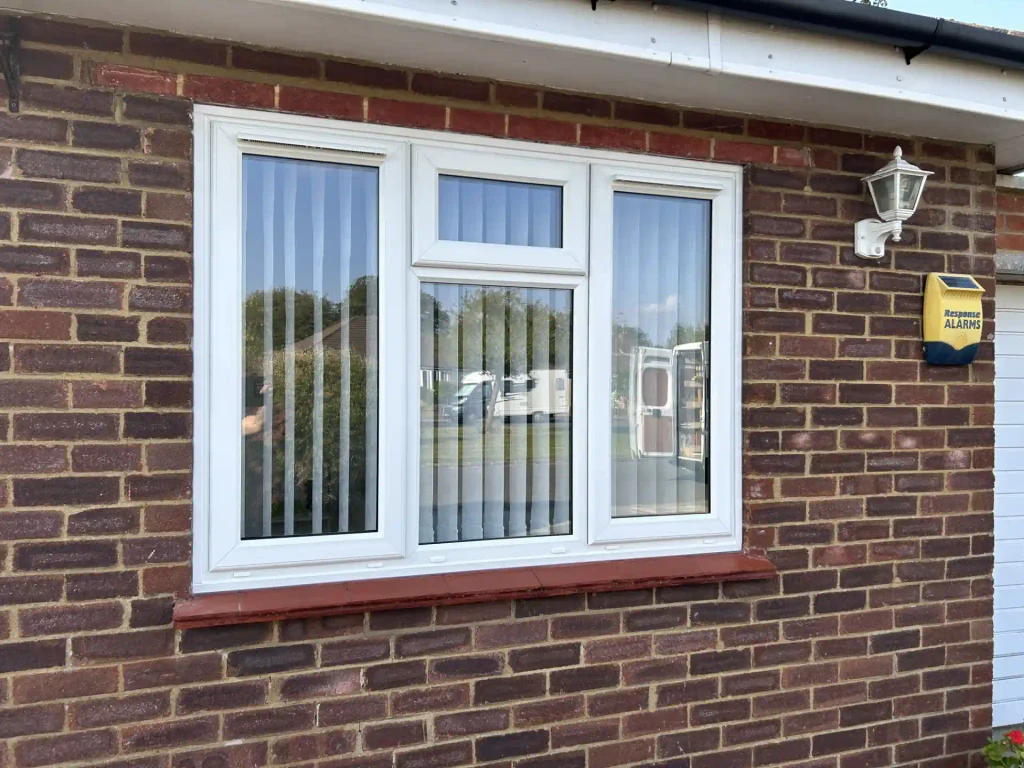
Is Secondary Glazing Suitable for Your Home?
Secondary glazing can be suitable for a wide range of properties, but the best solution depends on the existing windows and the homeowner’s priorities.
It may be worth considering if you:
- Want to retain original timber windows
- Experience draughts around existing windows
- Want to improve thermal comfort
- Live in a noisy location
- Own a period or traditional property
- Want to improve window performance without replacing the external windows
- Need a solution with limited impact on the property’s exterior appearance
A professional assessment can help determine whether secondary glazing is appropriate and what type of system would work best.
Frequently Asked Questions
Does secondary glazing make a room warmer?
It can help reduce heat loss and draughts, potentially making rooms more comfortable. The improvement depends on the existing window and the secondary glazing system selected.
Can secondary glazing reduce traffic noise?
Yes. One of its recognised benefits is improved sound insulation. The amount of noise reduction depends on the glass, installation and distance between the original and secondary glazing.
Does secondary glazing replace the original window?
No. Secondary glazing is normally installed internally while the original window remains in place.
Is secondary glazing suitable for period properties?
Yes. It can be particularly useful for period and historic properties because it can improve window performance while retaining original windows.
Can secondary glazing cause condensation?
It can if the system is poorly designed or ventilation is not properly considered. Appropriate installation and attention to moisture movement are important, particularly in older buildings.
Conclusion
Secondary glazing can provide a practical way to improve the performance of existing windows without removing original frames. By adding an internal glazing layer, homeowners may benefit from reduced draughts, lower heat loss and improved protection from outside noise.
For homeowners searching for Secondary Glazing Chalfont, the suitability of the system should be assessed according to the property’s existing windows, condition, ventilation requirements and desired level of performance. This is particularly important for traditional and period properties where preserving original features is a priority.
Im Glass can discuss your glazing requirements and help you consider suitable solutions for existing and traditional windows in Chalfont and surrounding areas.
Contact Im Glass
- Phone: 07734 951124
- Email: ianmallett1@outlook.com
- Address: 138 Northwood Rd, Harefield, Uxbridge UB9 6PS, United Kingdom