Frequently Asked Questions About Glazing in Chalfont St Giles
Answers to the questions we are asked most often by Chalfont St Giles homeowners and businesses.
How quickly can IM.GLASS reach a glazing job in Chalfont St Giles?
We aim to reach most callers across Chalfont St Giles and the surrounding HP8 postcode within 60 to 90 minutes of your call, and often sooner for emergency glass boarding after a break-in or accidental breakage. Our engineers work locally across Buckinghamshire and the Chilterns rather than being dispatched from a distant depot, which keeps travel time down. Once on site, we assess the damage, explain what is needed and, where the job is straightforward, complete the repair or boarding the same visit. For more involved work such as heritage sash window restoration, we return with the correct materials once measurements and any conservation area requirements have been confirmed.
Which areas around Chalfont St Giles does IM.GLASS cover?
We cover Chalfont St Giles village and the whole HP8 postcode, along with Chalfont St Peter, Little Chalfont, Seer Green, Jordans and Gerrards Cross. This includes the village centre around the green and Deanway, the Chiltern flint cottages nearer the conservation area boundary, and the larger executive homes toward Bowstridge Lane on the outskirts. If you are just outside these areas, contact us and we will confirm whether we can reach you. Our engineers are based locally in Harefield, not a national call centre, so we know the roads and the housing stock across this part of Buckinghamshire and the Chilterns well.
How does the quoting process work for a Chalfont St Giles glazing job?
Contact us by phone or email and describe the problem, including whether the property is in the conservation area or listed. We arrange a visit to assess the glass or frame in person, since photos alone rarely give an accurate view of sash window condition or splashback measurements. All pricing is provided on request following an assessment of the work required, so you receive a clear scope before any work begins. For straightforward jobs such as a single misted unit, we can often quote on the same visit. Larger jobs, including heritage sash restoration, may need a short follow up to confirm timber matching or glazing bar profiles before the quote is finalised.
What happens once I book a glazing repair with IM.GLASS?
After your initial contact and assessment, we agree the scope of work and a suitable date. Our engineer arrives with the materials and tools needed for the agreed job, carries out the repair or installation, and clears away any waste glass or offcuts before leaving. For sash window and heritage work we take care to protect surrounding brick, flint or timber reveals throughout. Once finished, we explain what was done and provide any relevant documentation, such as confirmation of the glazing specification used. If a fault reappears or you have a question afterwards, you can contact us directly rather than going through a call centre.
Why do Chalfont St Giles properties have particular glazing problems?
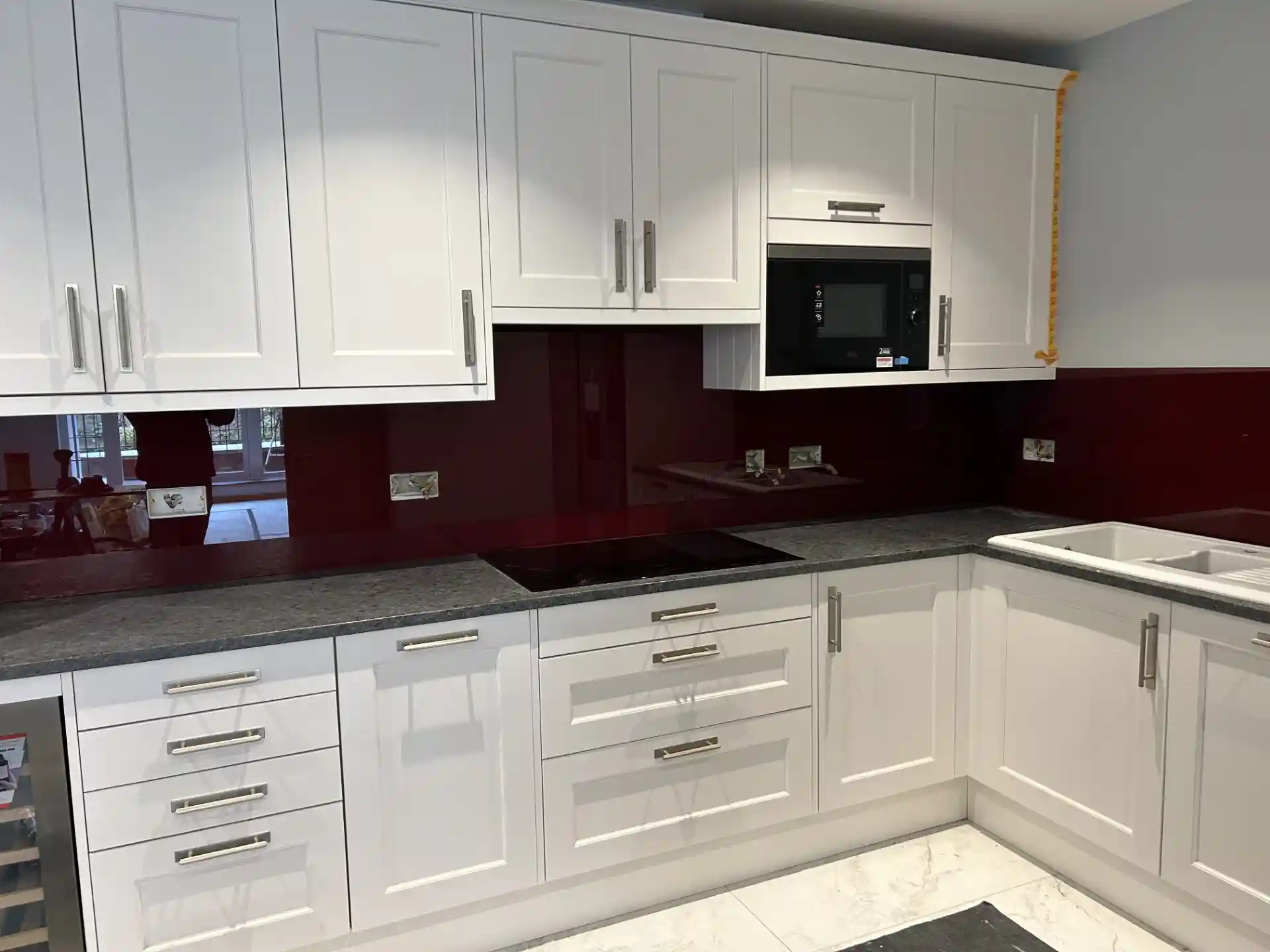
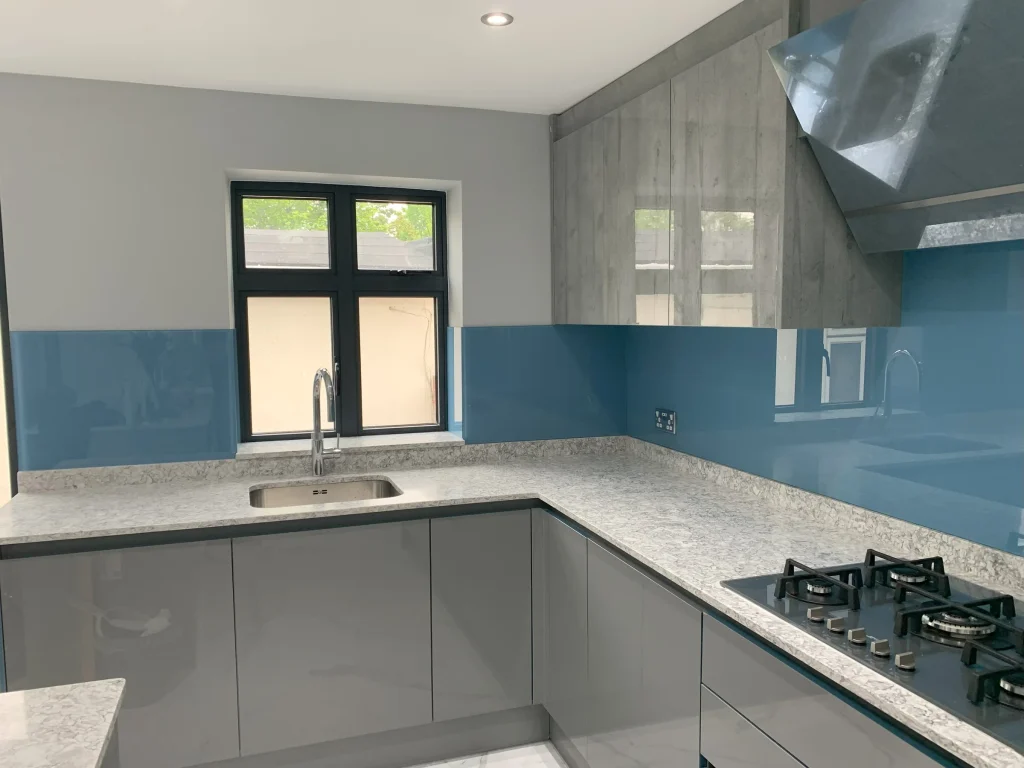
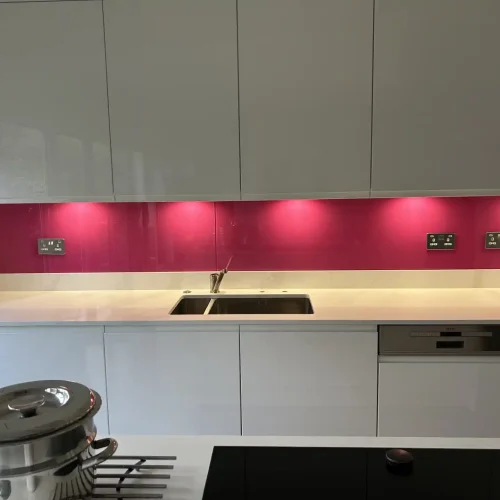
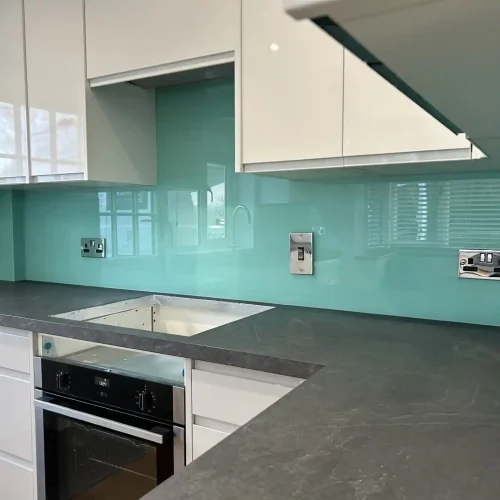
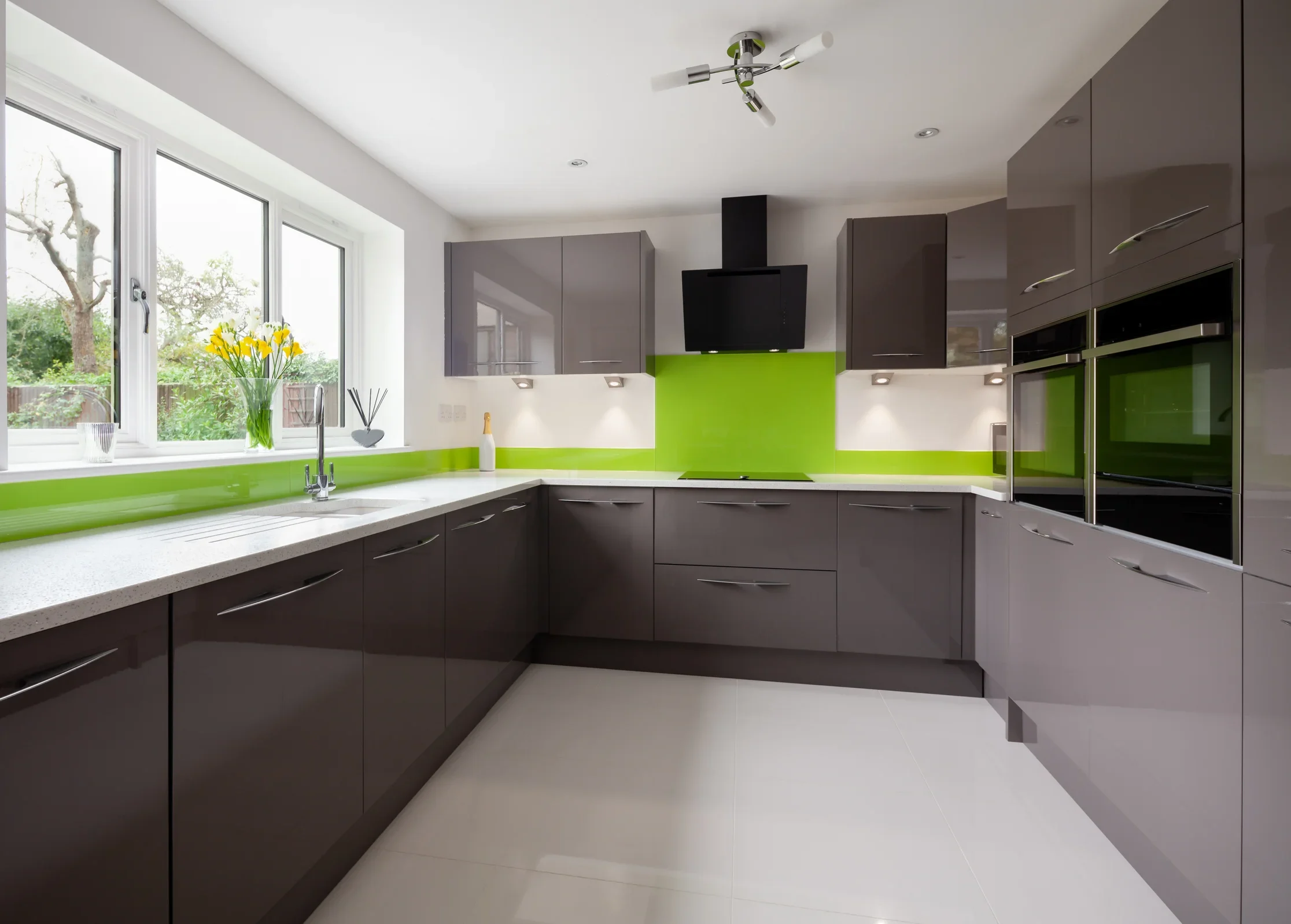
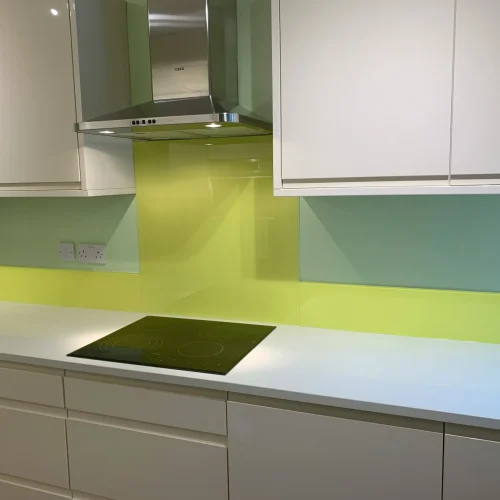
The village's older flint and brick cottages around the green and Deanway were built with small original timber casements and sash frames, which swell, stick or let in draughts as putty and timber age. Many sit inside the conservation area and the Chilterns National Landscape, where full replacement is restricted, so repair and sympathetic restoration are usually the right approach rather than a straightforward uPVC swap. On the outskirts toward Bowstridge Lane, larger 1970s and 1980s executive homes have different needs, often wanting bespoke kitchen splashbacks or shower screens rather than window repair. This mix of building ages means the right glazing solution varies significantly street by street.
Which parts of Chalfont St Giles see the most glazing issues?
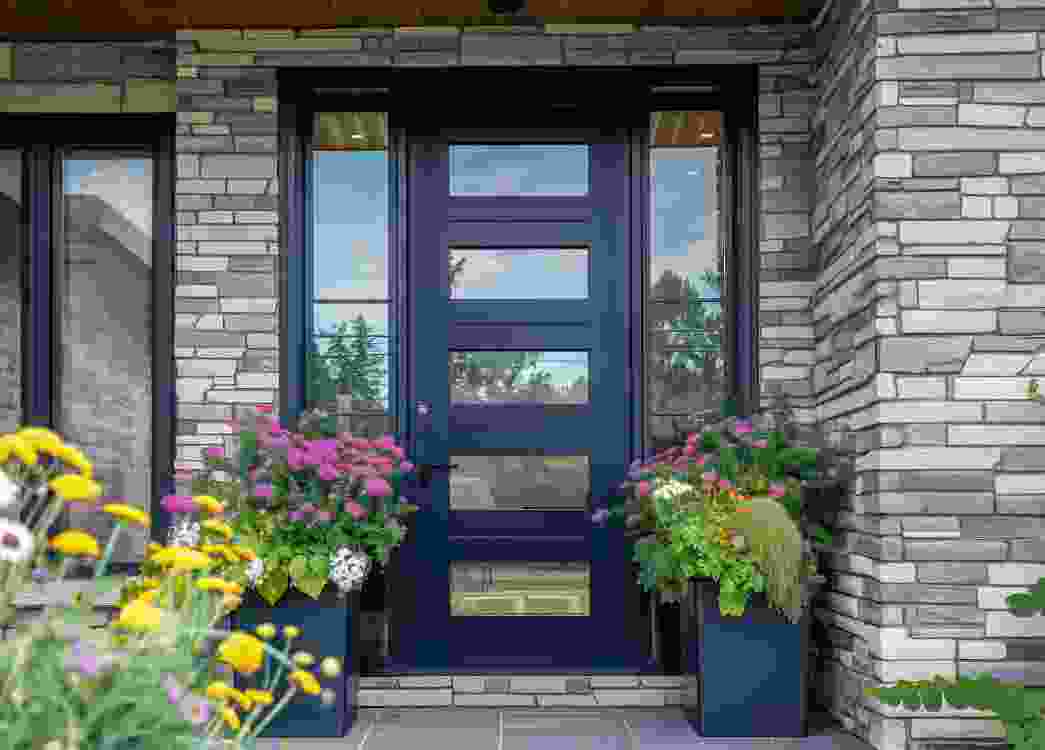
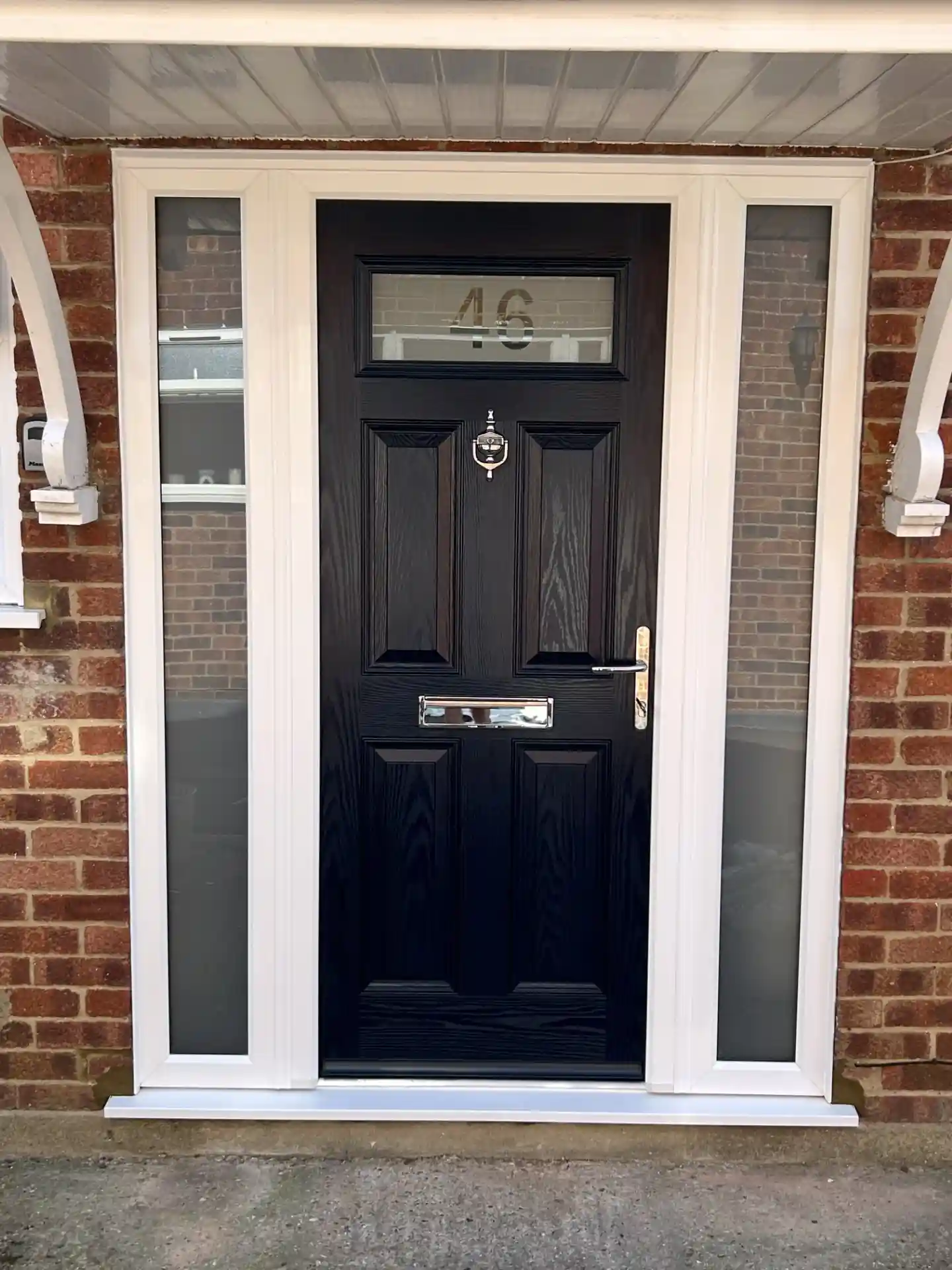
The village centre around the High Street and Deanway, close to Milton's Cottage, has the highest concentration of older timber casements and sash frames needing sympathetic repair, simply because the housing here is oldest. Chalfont St Peter and Little Chalfont have a similar mix of period and mid-century properties. Seer Green and Jordans see more misted double glazing unit failures in 1970s and 1980s housing stock, while the larger executive homes toward Bowstridge Lane more often need bespoke splashbacks, shower screens or replacement composite front doors rather than window repair. We work across all of these areas within HP8 and the neighbouring postcodes.
When should I book an inspection rather than describe the problem over the phone?
Book an inspection whenever the property is in the conservation area, is listed, or you are unsure whether a window can be repaired rather than replaced. Sash and casement frames can look sound from the outside while the timber underneath the putty line has softened, so a hands-on check is the only reliable way to confirm condition. An inspection is also worthwhile before completing on a period cottage purchase, so you know the true state of the glazing before you commit. For a simple misted unit on a modern uPVC frame, a phone description is often enough for us to prepare for the visit.
Who is responsible for fixing broken or damaged glass, me or my landlord?
Responsibility usually depends on your tenancy agreement and how the damage occurred. Landlords are generally responsible for maintaining the structure and exterior of a rented property, including window frames and glazing that fails through age or general wear. Tenants are usually responsible for damage they cause themselves, such as an accidental breakage. Where a neighbour's tree, fence or property has caused damage, responsibility may sit with them instead, and this can require separate discussion or insurance involvement. If you are unsure, we can carry out the repair and provide documentation you can pass on to whoever is establishing responsibility.
Why does misting or draught keep coming back after a previous repair?
Misting between panes means the seal on a double glazed unit has failed and moisture has entered the gap, and once this happens the fogging will return unless the whole sealed unit is replaced, not just cleaned. Draughts on older sash and casement windows are usually caused by worn putty, warped timber or gaps around the frame rather than the glass itself, so recurring draughts often point to a repair that only addressed part of the problem. We replace the full sealed unit rather than attempting a temporary fix, and on timber frames we address the putty, beading and any warped sections together so the draught does not simply return within a season.
Can glazing repairs be carried out without removing the whole window frame?
Yes, in most cases. Misted double glazing units can usually be replaced within the existing uPVC or timber frame, so there is no need to remove or replace the surrounding structure. Sash and casement repairs on period cottages are approached the same way wherever possible, replacing putty, glazing bars or a single sash rather than the whole window, which keeps disruption and mess to a minimum and respects the original joinery. This matters particularly in the conservation area, where the existing frame often needs to be retained for planning reasons. We will always tell you in advance if a job genuinely does need fuller frame replacement.